
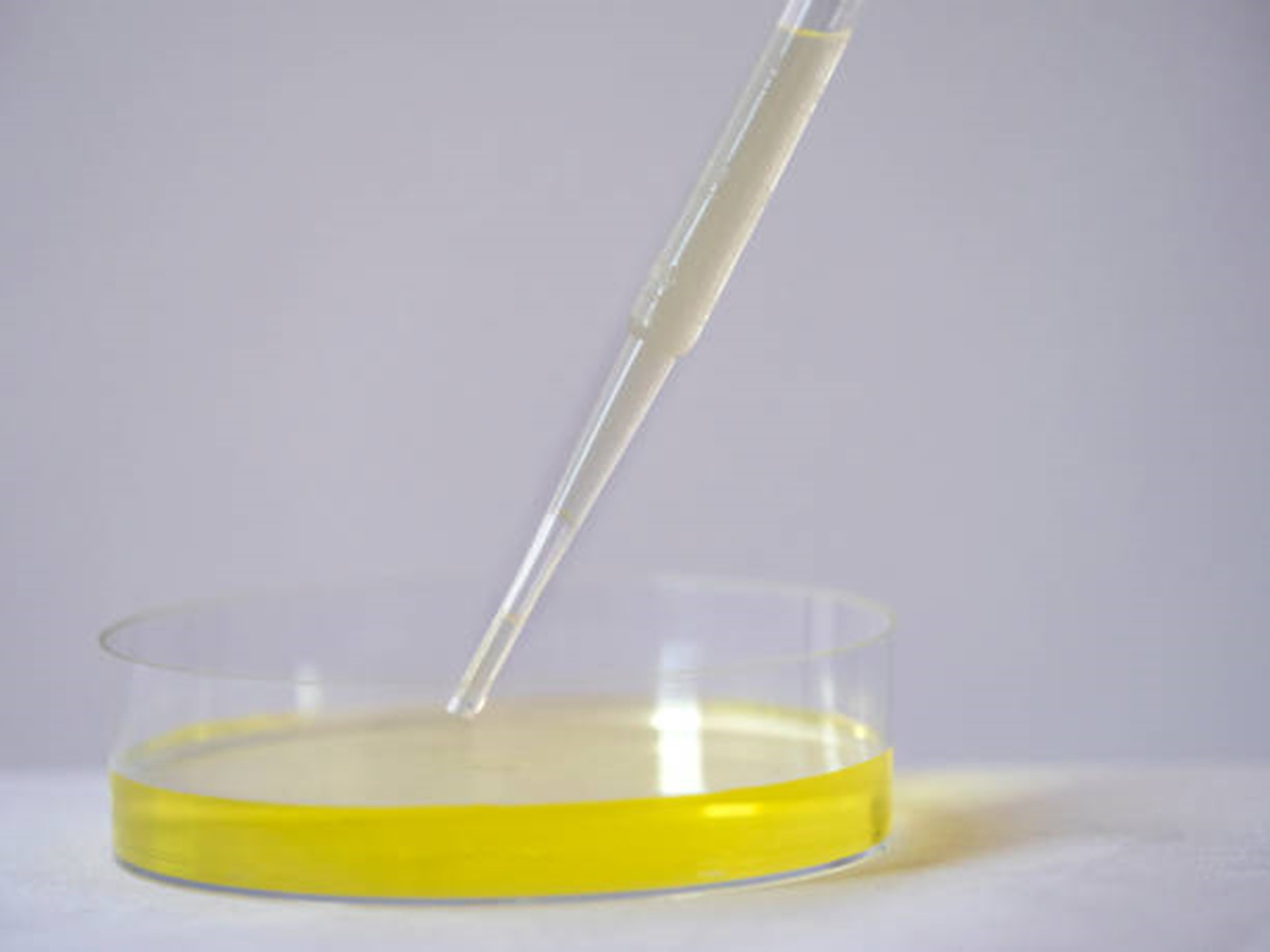
One element that consistently appears in a variety of media types, especially combination agar, is Peptone. But why is it used so frequently? Is it really that effective at supporting microbial growth?
Let’s take a closer look at what makes it such a valuable component in combination with agar and other microbiological media.
Why This Smaller Protein Is Combined with Agar?
Combination agar is often designed to support the growth of both fastidious and non-fastidious organisms. Fastidious microbes, in particular, require extra nutrients and growth factors to thrive.
This is where its usage becomes necessary. Its composition helps fill nutritional gaps, making the medium more inclusive for a broader spectrum of organisms.
Reasons in Support of Peptone’s Addition
Here are a few key reasons why it is added to the combination agar:
1. Supports Rapid Microbial Growth
Peptone provides easily digestible amino acids and peptides, which are essential for building proteins and enzymes in microbes. This jumpstarts microbial growth by supplying energy and cellular components quickly. As a result, even slow-growing or delicate organisms can start multiplying sooner.
2. Improves Culture Yield
With this base ingredient, culture media become richer and more balanced. This allows colonies to grow more. This speeds up colony appearance and ensures that low-abundance or stressed microbes have the nutrients they need to produce. In quality control or clinical settings, higher yield equals better detection accuracy and faster outcomes.
3. Boosts Metabolic Activity
Peptone doesn’t just help microbes grow—it helps them function better. Supplying nitrogen and small peptides enhances enzyme production and metabolic activity. This is particularly useful in biochemical tests, where microbial reactions (e.g., fermentation or enzyme breakdown) need to be observed. A more active metabolism means clearer, faster test results and better profiling of bacterial behavior.
4. Provides pH Stabilization
During microbial growth, waste products can shift the medium’s pH, which may inhibit further growth. It helps buffer those changes by naturally stabilizing the environment. This contributes to more consistent culture conditions, especially in longer incubation periods. A stable pH keeps the growth and metabolic activity of organisms optimal throughout the testing period.
5. Extends Media Versatility
Adding it makes the combination agar suitable for growing a wider variety of organisms, including both fastidious and non-fastidious microbes. Its inclusion turns basic media into something more adaptable, which is good for mixed cultures or uncertain samples.
Either in food testing or environmental monitoring, Peptone-enhanced media handle a broader range of microbial profiles effectively.
6. Improves Recovery of Stressed Microorganisms
Some microorganisms become weakened or dormant due to environmental stress, like heat or desiccation. Peptone provides these microbes with the immediate nutrition needed to recover and begin dividing again.
This is helpful in sterility testing or sample recovery after transport. It ensures that even fragile bacteria have a fighting chance to grow and be detected.
Ending Note
So, is peptone being infused in combination agar due to its growth-supporting properties? The answer is a clear yes. It can supply readily available nutrients, support metabolic activity, and create a favorable environment for a wide variety of microorganisms.
For this purpose, it becomes a foundational component in modern cultural media. Get it now from the authentic suppliers in the USA!