
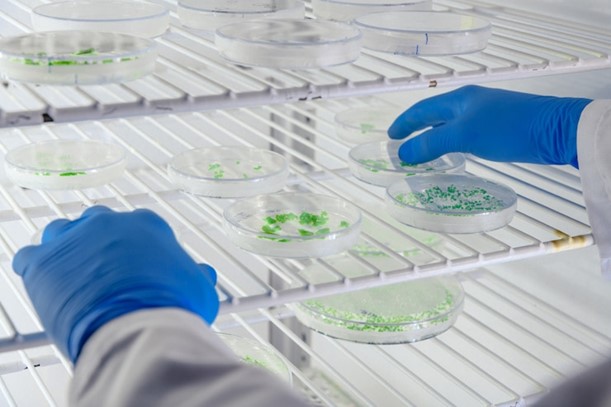
When you’re testing for harmful bacteria like Salmonella, you need a reliable method. One of the best ways to do this is by using Rappaport Vassiliadis Salmonella Enrichment. This method gives Salmonella a chance to grow while stopping other bacteria.
It’s mostly used in food and water safety testing. It sounds technical, but don’t worry—we’ll break it down simply. You’ll learn how it works, when to use it, and why it’s trusted in labs. This guide is easy to follow, even if you’ve never worked in a lab before.
What is Rappaport Vassiliadis Salmonella Enrichment?
This is a lab method that helps you find Salmonella in samples like food, water, or animal waste. The broth used here has special ingredients that create tough conditions. Most bacteria can’t grow in it, but Salmonella can.
What’s inside the broth?
- Magnesium Chloride: Makes it harder for unwanted bacteria to survive.
- Malachite Green: Slows down other bacteria.
- Low pH: Salmonella doesn’t mind the acidity, but other microbes struggle.
Tip: Always shake the broth before using it. Ingredients may settle, and that can mess up your results.
Why Do Labs Use Rappaport Vassiliadis Salmonella Enrichment Method?
· It Finds Even the Smallest Amounts
Even if there’s just a tiny bit of Salmonella in the sample, this method helps it grow so you can spot it clearly.
· It Saves You Time
You don’t have to waste time sorting through a bunch of other bacteria. This method keeps things focused on what really matters—Salmonella.
· It’s Made for Food Testing
Whether you’re testing raw meat, veggies, dairy, or something else, this broth works great with all kinds of food samples.
Tip: If you’re short on time, try running two batches at once using different incubators. It can save you hours in the long run.
How the Process of Rappaport Vassiliadis Salmonella Enrichment Works
Step 1: Pre-Enrichment
First, mix your food or water sample with a plain, non-selective broth. This gives Salmonella time to “wake up” and recover, especially if it’s been stressed or damaged.
Step 2: Move to Rappaport Vassiliadis Broth
Next, take a small amount from the first broth and transfer it into the Rappaport Vassiliadis broth. Then pop it into an incubator at 42°C and let it sit for 24 hours. This is where Salmonella starts to grow while other bacteria get left behind.
Step 3: Plate It
Now, take a small drop from that broth and place it on a special agar plate that helps you spot Salmonella. Let it grow. After some time, you’ll see colonies if Salmonella is there.
Tip: Always label your tubes as soon as you fill them. Once they’ve been incubated, they all look the same, and mixing them up could ruin your test.
Why It Works So Well
This method is based on what Salmonella can survive, not what other bacteria can’t.
- Salmonella handles heat better than most bacteria.
- It also doesn’t mind acidic conditions.
- Other bacteria give up in this broth, but Salmonella thrives.
Tip: Don’t open the lid too often during incubation. Temperature changes can throw things off.
A Few Things to Watch Out For
· It Might Miss Weakened Cells
If the Salmonella in your sample is really damaged, it might not bounce back, even with this method.
· It Needs Careful Handling
Clean tools matter. If you use dirty pipettes or accidentally touch the inside of a container, your results could get messed up.
· It’s Not for Every Sample
If your sample has a lot of strong, fast-growing bacteria, this broth might not work as well. Those other microbes could still take over.
Tip: Always wear sterile gloves—and if you touch anything that’s not sterile, change them right away. Don’t rely on surface wipes alone to keep things clean.
Where the Rappaport Vassiliadis Salmonella Enrichment Method is Used
· Food Labs
These labs test both raw and cooked foods to make sure Salmonella isn’t lurking where it shouldn’t be.
· Water Testing Labs
They use it to check drinking water and wastewater for any harmful bacteria.
· Animal Labs
It helps check livestock, animal feed, or even pet food for possible contamination.
· Schools and Research Labs
It’s a go-to method in microbiology classes, where students learn how to safely detect bacteria.
Compared to Other Methods
There are other enrichment broths like Tetrathionate or Selenite. But Rappaport Vassiliadis Salmonella Enrichment usually gives cleaner and quicker results.
- You’ll see fewer false positives.
- You can trust what you’re seeing.
- It works well even when the bacteria count is low.
Tips to Get the Best Results with Rappaport Vassiliadis Salmonella Enrichment
- Use a pre-enrichment step first.
- Stick to the correct temperature—42°C matters a lot.
- Don’t rush the 24-hour incubation.
- Always use fresh broth. If it looks off, toss it.
Lab Tip: Write times directly on your tubes. Sticky notes fall off. Sharpies don’t.
Simple Tips for Safety and Storage
Handling the broth isn’t dangerous, but follow basic lab rules:
- Wear gloves.
- Don’t eat or drink near your station.
- Store powder broth in a cool, dry place.
- Once mixed, use it fast or keep it cold.
- Dispose of used broth properly—don’t pour it down the sink.
Reminder!
Keep bleach nearby to clean up spills. It saves time and keeps things safe.
The Future of Salmonella Detection
While newer tools like DNA testing are getting popular, this enrichment method is still the go-to in many labs.
Why?
- It’s cheap.
- It doesn’t need fancy equipment.
- It works well.
Many labs even combine it with newer tools to confirm what they see.
Lab Tip: Use this as a backup to PCR. If results don’t match, check your PCR settings first.
Wrapping it Up
In short, Rappaport Vassiliadis Salmonella Enrichment is one of the easiest and most trusted ways to find Salmonella in your samples. It helps labs focus only on what matters—by letting Salmonella grow and holding back the rest.
Whether you work in food testing, water safety, or research, this method gives you clean and fast answers. And the best part? You don’t need expensive tools to use it. Just follow the steps, stay clean, and stick to the rules. Looking to stock up on top-quality lab supplies? Head over to Biotech Reagents and grab what you need today.